SANTACHI uses cookies and similar technologies on the website. The essential cookies are necessary to operate the website. You can accept or reject non-essential cookies by clicking the "Accept" or "Reject" button. You can change your settings at any time. For details about the cookies, please review our Cookies Policy.
News & Events
Building South Africa’s Next-Generation Grid: Why Intelligent Inspection Must Advance with Infrastructure
September 3, 2026
117
South Africa’s electricity sector is entering a critical period of investment, expansion and structural reform
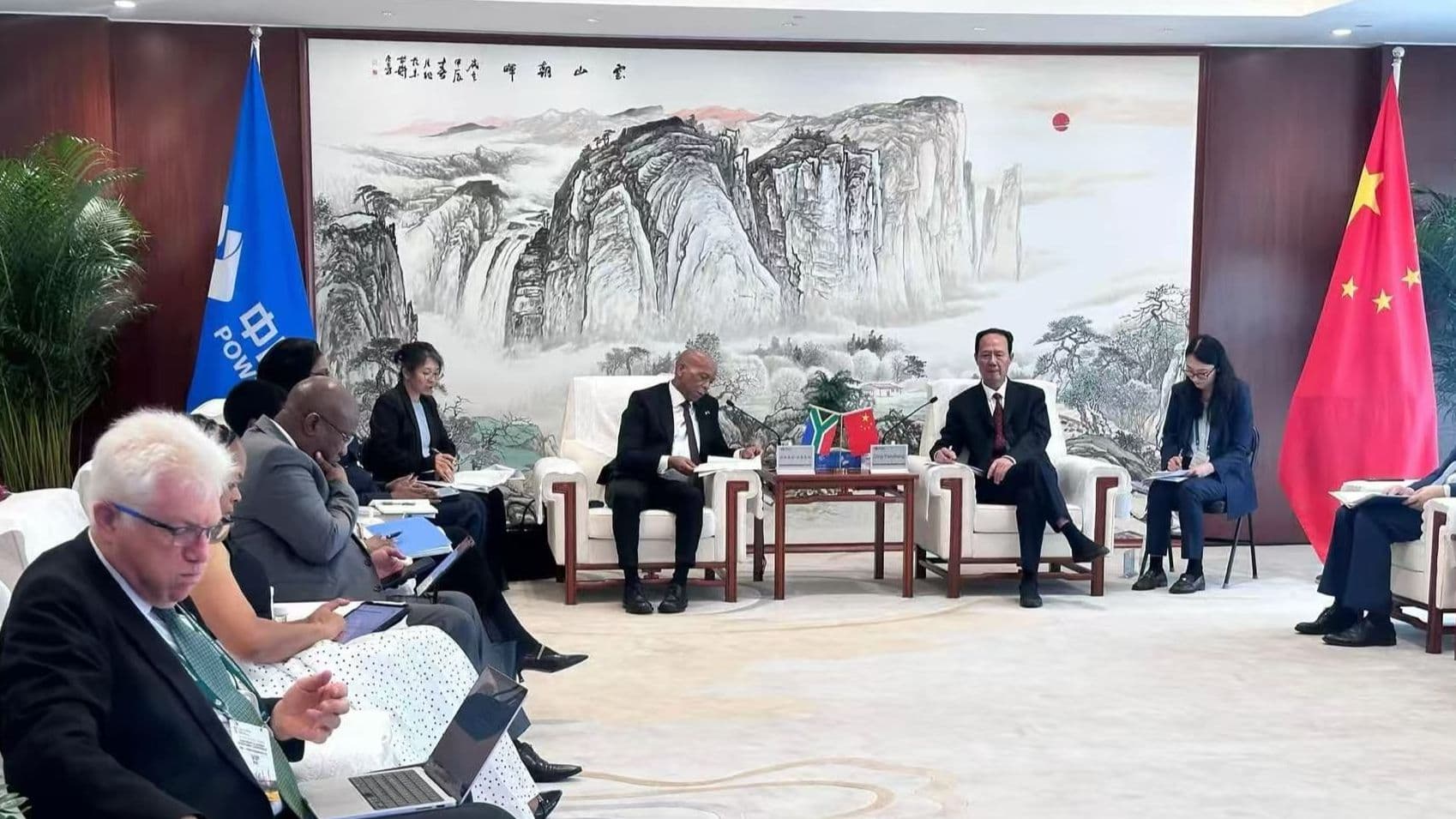
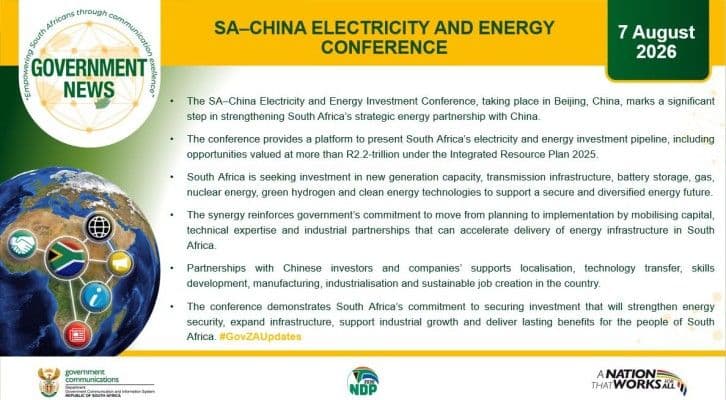
The South Africa–China Electricity & Energy Investment Conference reflects the growing cooperation between South Africa and China in electricity infrastructure, energy investment, equipment manufacturing and industrial development. This cooperation is taking place as South Africa accelerates the transformation of its national power system.The policy direction is ambitious.
South Africa’s Integrated Resource Plan 2025, approved by Cabinet, represents an estimated R2.2 trillion investment in the country’s future electricity system. Under the plan, South Africa aims to add approximately 105 GW of new generation capacity by 2039, creating substantial demand for generation assets, grid connections and supporting infrastructure.
At the transmission level, South Africa’s development programme includes approximately 14,000 kilometres of new transmission lines and more than 170 substations over the coming decade. At the same time, electricity-sector reforms are advancing the establishment of an independent transmission entity and a more competitive electricity market.
Together, these developments signal a long-term transformation of South Africa’s electricity value chain—from generation and transmission to distribution, operation and maintenance.
Grid expansion brings new operational challenges
Building more generation capacity is only one part of the transition. New power plants must be connected to the grid, transmission corridors must be expanded, substations must be upgraded, and an increasingly diverse range of assets must be operated safely and reliably.
As the network expands across remote and environmentally complex regions, utilities and asset owners will need to manage risks including:
Vegetation encroachment and wildfire;
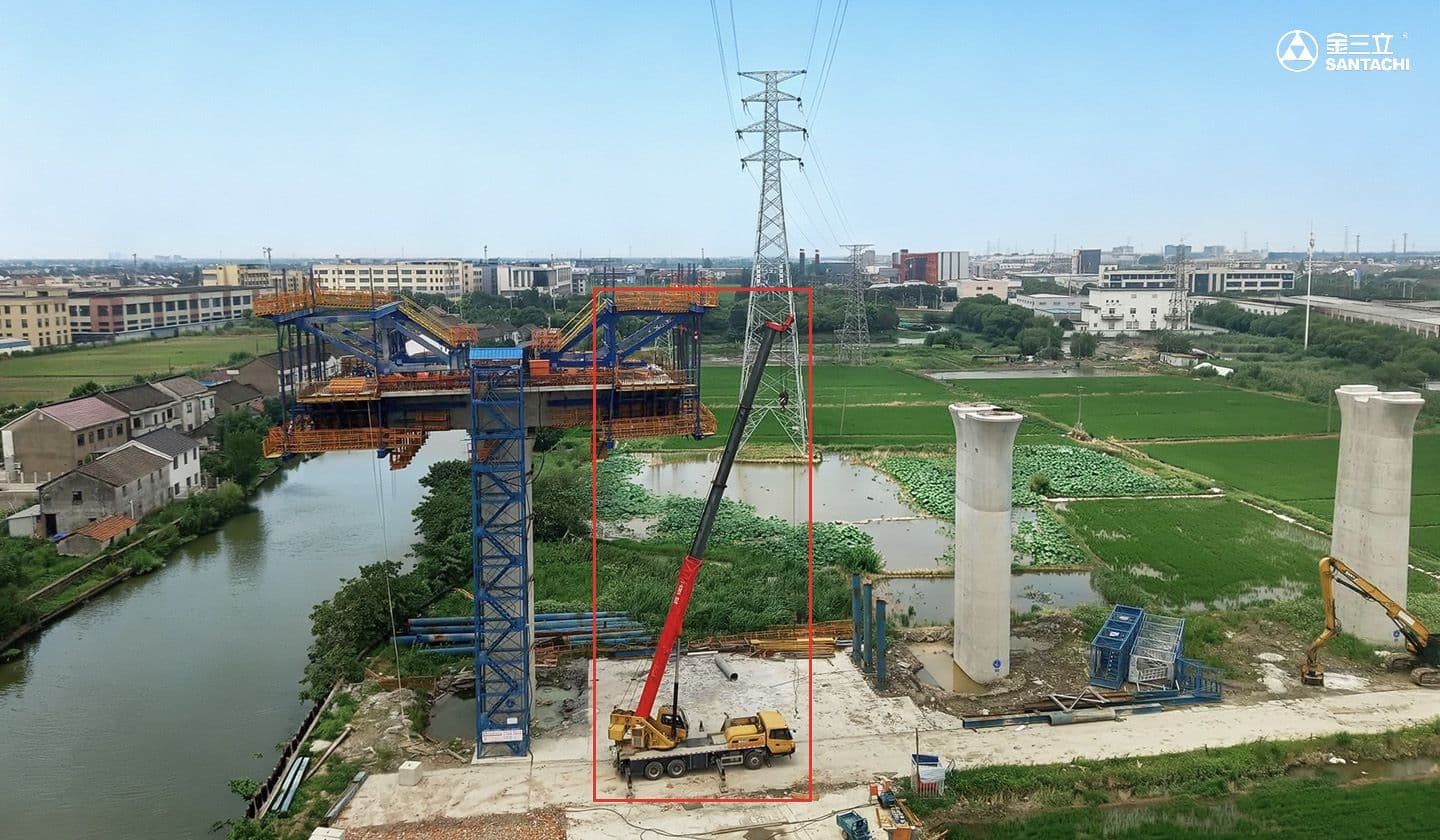
Construction machinery operating near transmission lines;
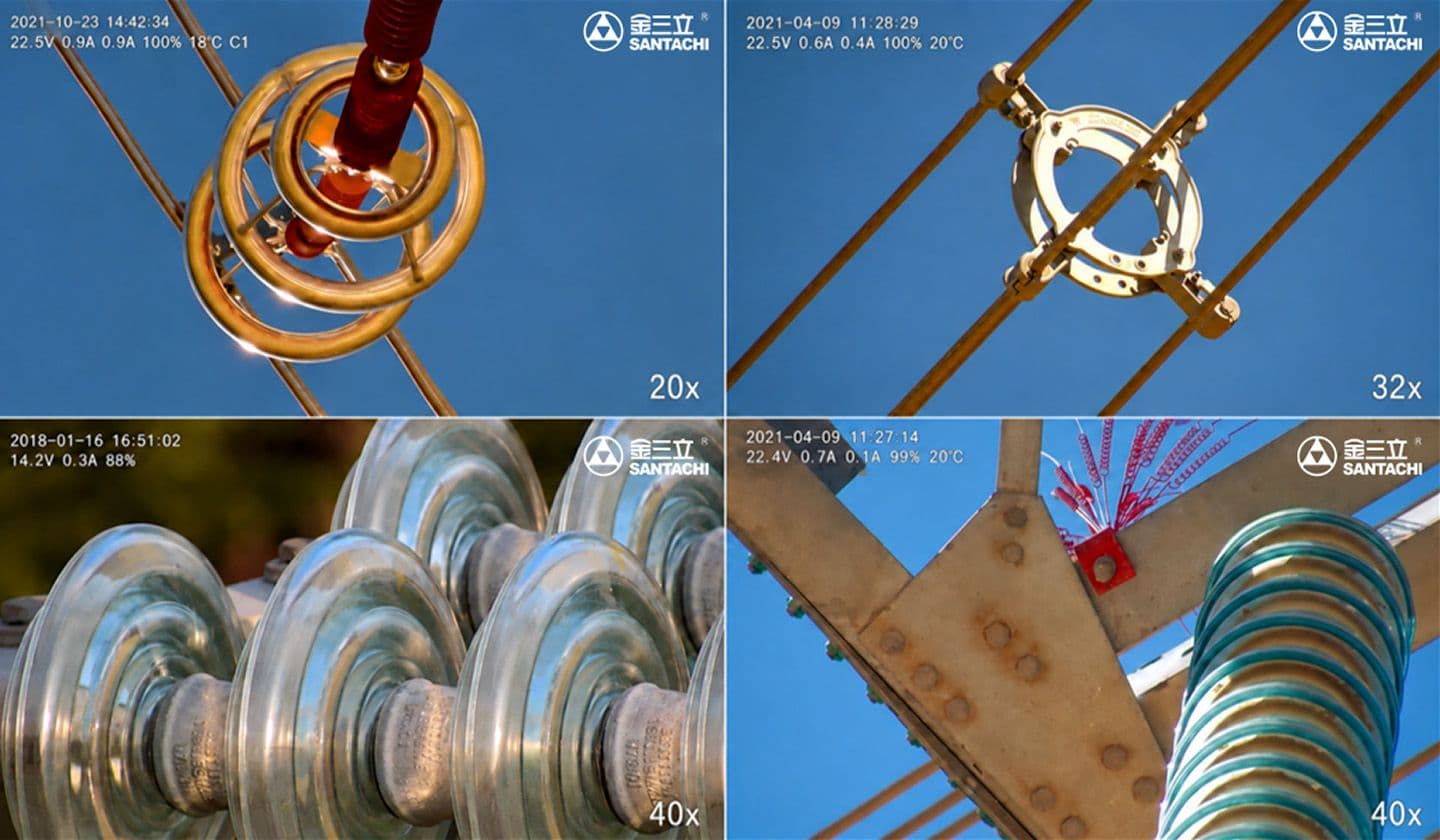
Equipment overheating and insulation defects;
Perimeter intrusion, theft and vandalism;
Severe weather and environmental changes;
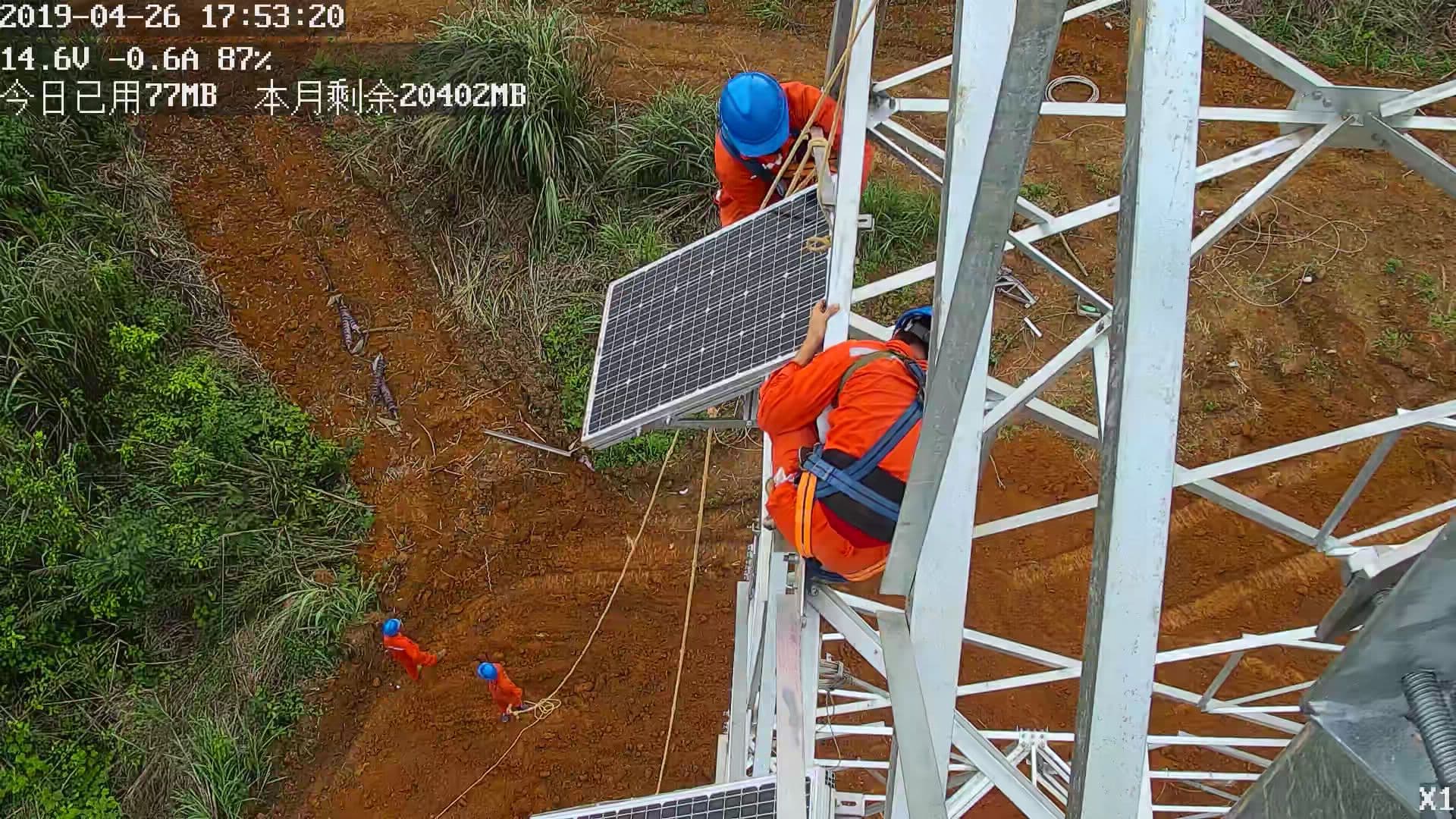
Safety risks during field operations;
Limited communications and power supply at remote sites.
Traditional periodic inspection remains important, but it cannot independently provide the continuous visibility and rapid response required by a larger and more complex electricity network.
This is where intelligent monitoring and digital inspection can create long-term value.
From periodic inspection to continuous intelligent monitoring
Santachi provides AI-powered monitoring and intelligent inspection solutions for transmission lines, substations, distribution networks, renewable-energy facilities and power work sites.
By integrating high-definition visible-light imaging, infrared thermography, front-end AI analytics, intelligent ranging, IoT sensing and centralised management platforms, Santachi helps power operators identify risks earlier, verify alarms remotely and improve operational efficiency.
Our power inspection capabilities include:
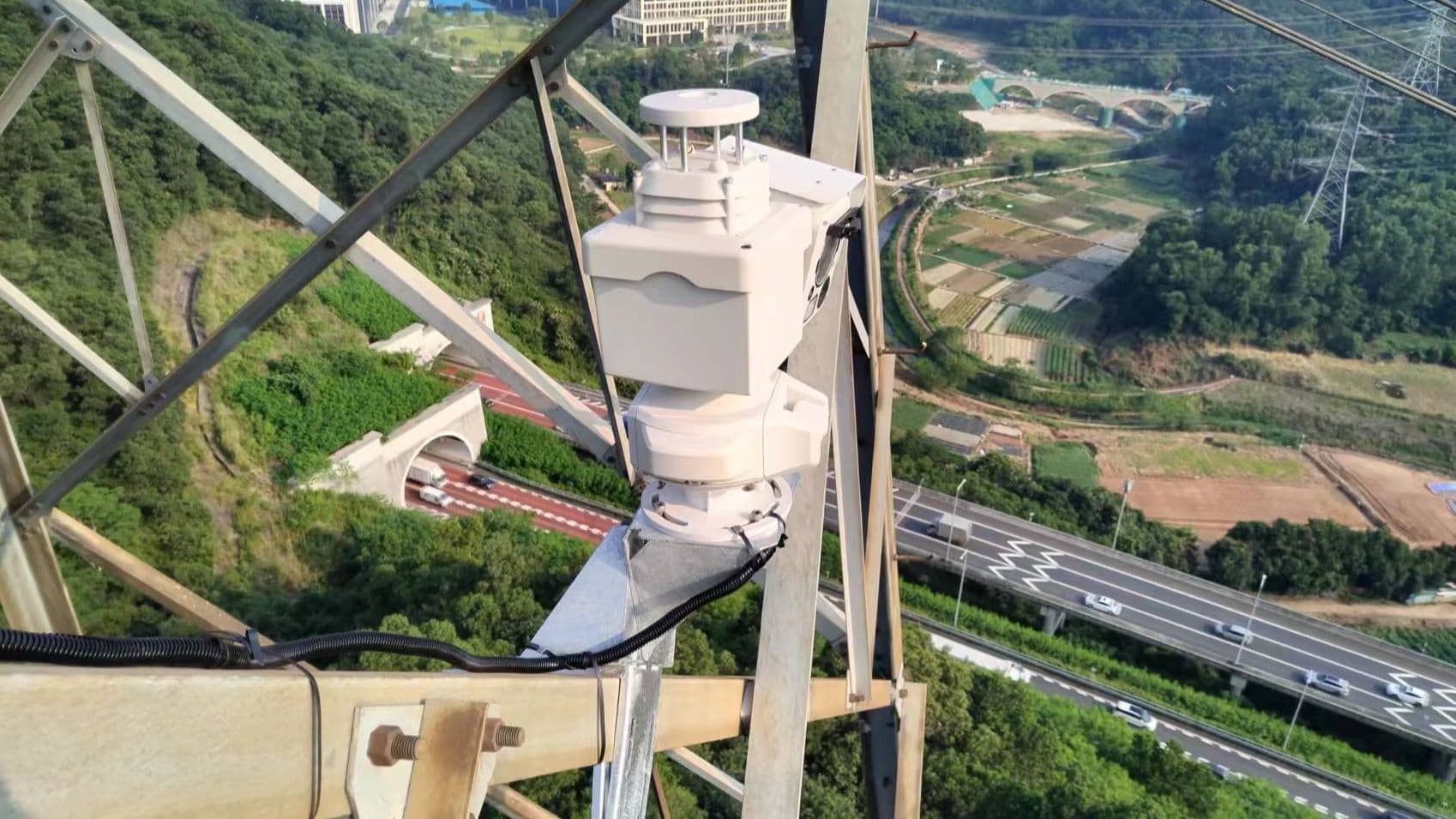
Transmission corridor and external-threat monitoring;
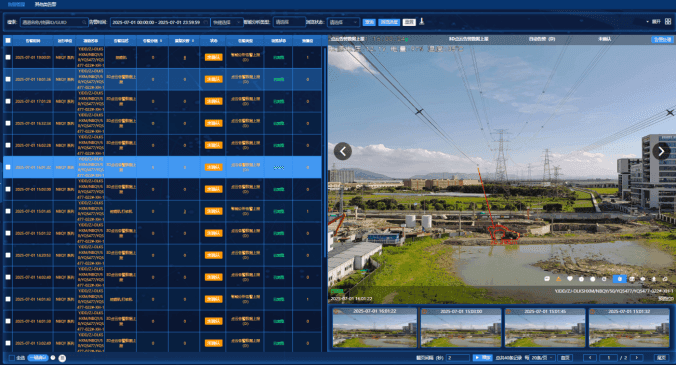
Intelligent detection of construction machinery, vegetation risks, fire and smoke;
Remote inspection of conductors, insulators, fittings and other line components;
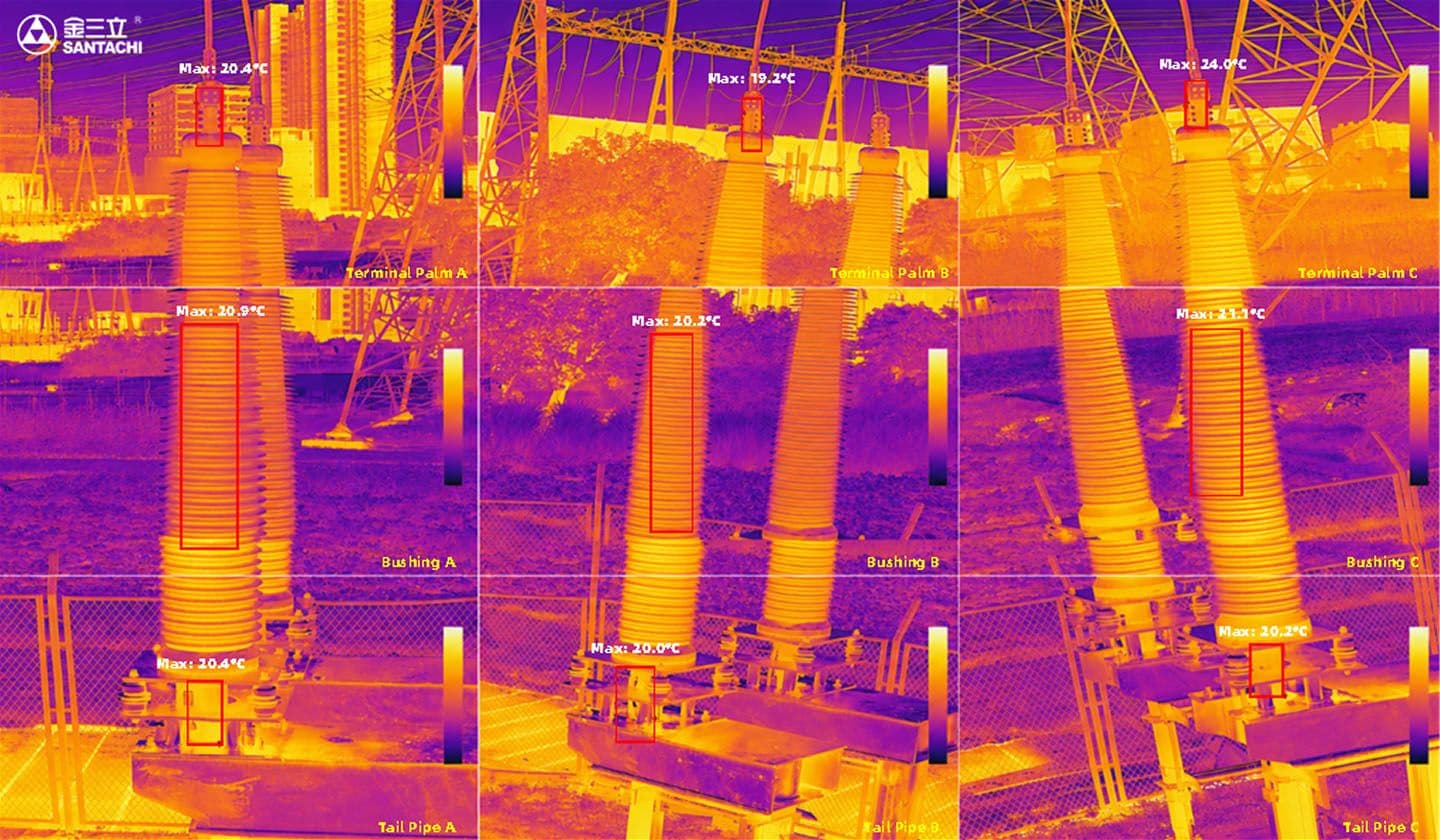
Visible-light and thermal monitoring of transformers, switchgear and electrical connections;
Substation perimeter protection and personnel safety monitoring;
AI-assisted meter and status-indicator reading;
Remote verification and closed-loop alarm management;
Low-power and solar-powered deployment for remote locations;
Flexible communications for weak-signal and off-grid environments.
Front-end AI processing enables monitoring devices to identify predefined risks directly at the site, helping reduce unnecessary data transmission and shorten the time between detection, verification and response.
Intelligent inspection should begin at the design stage
For new transmission lines, substations and renewable-energy projects, intelligent monitoring should not be treated as an isolated system added after construction.
It should be considered during project design and equipment integration.
Early planning makes it possible to coordinate camera positions, thermal-monitoring points, communications, power supply, AI applications and platform interfaces with the physical infrastructure. This helps create a more complete monitoring architecture and reduces the cost and complexity of later upgrades.
For utilities, EPC contractors and equipment manufacturers, this approach can support:
Greater asset visibility;Earlier identification of operational risks;
More efficient inspection planning;
Reduced dependence on frequent manual patrols;
Faster remote assessment of alarms;
Better maintenance records and decision support;
Improved safety throughout the asset lifecycle.
Supporting a safer and more resilient power system
South Africa’s electricity expansion presents an important opportunity to build digital capabilities alongside physical infrastructure.
Cooperation among utilities, engineering companies, equipment manufacturers, technology providers and local partners can help ensure that new assets are not only successfully constructed, but also efficiently monitored and maintained throughout their operating lives.
With extensive experience in AI-powered power monitoring and large-scale intelligent inspection, Santachi is ready to work with partners in South Africa and the wider Southern African market to explore solution integration, pilot applications and long-term project cooperation.
As investment in generation, transmission and local industrial capability continues, intelligent inspection can help turn infrastructure expansion into lasting operational resilience.
The goal is not only to build a larger grid, but to make every critical asset more visible, manageable and intelligent.
Sources
[1] South African Government News Agency — Team South Africa Advances Energy Investment Agenda in China
[2] South African Government — Cabinet Statement on the Approval of IRP 2025
[3] South African Government News Agency — IRP 2025 Electricity Investment Plan
[4] Parliament of South Africa — NCOP Hansard, 16 October 2025