Transmission Line Icing Monitoring
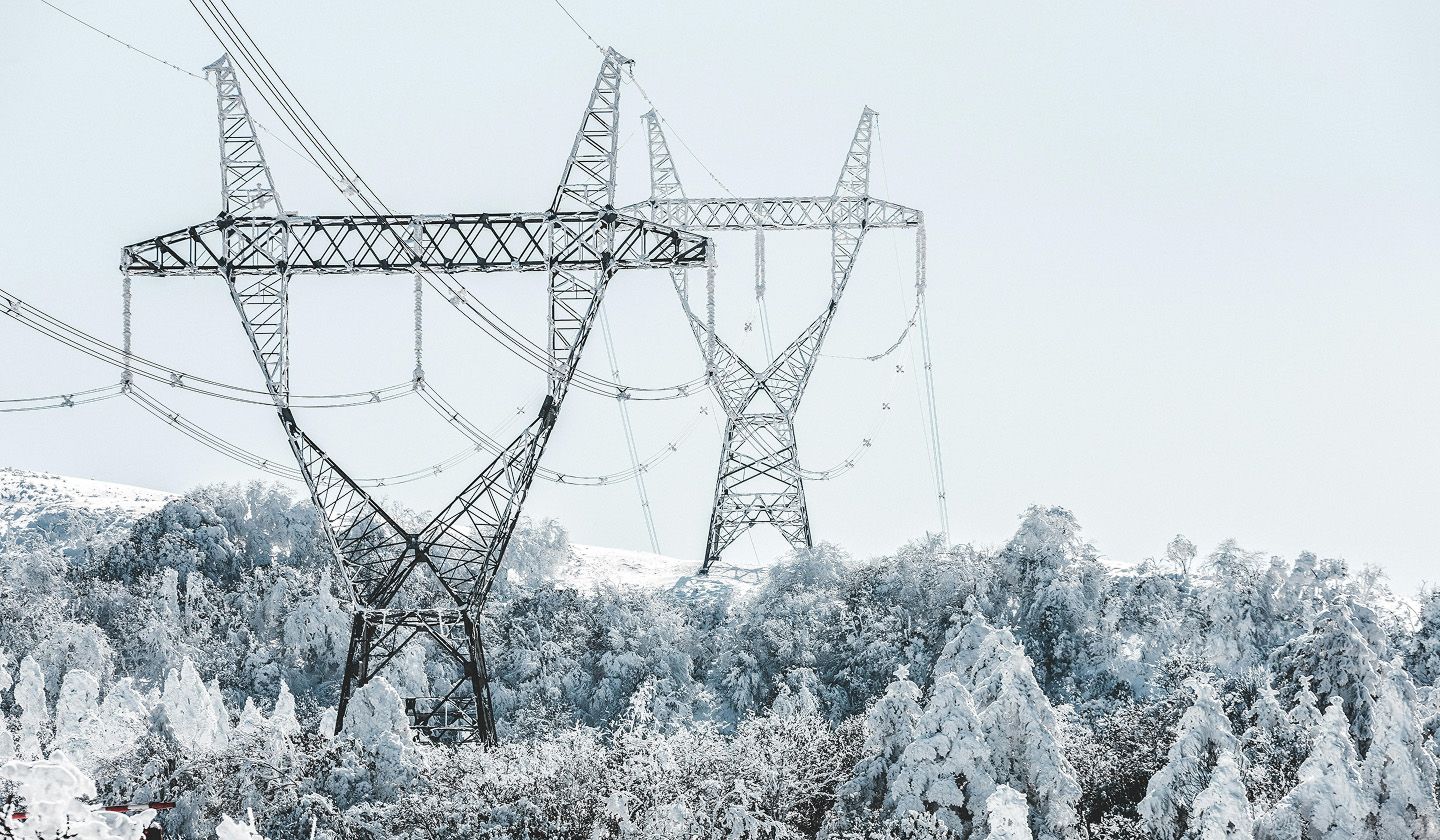
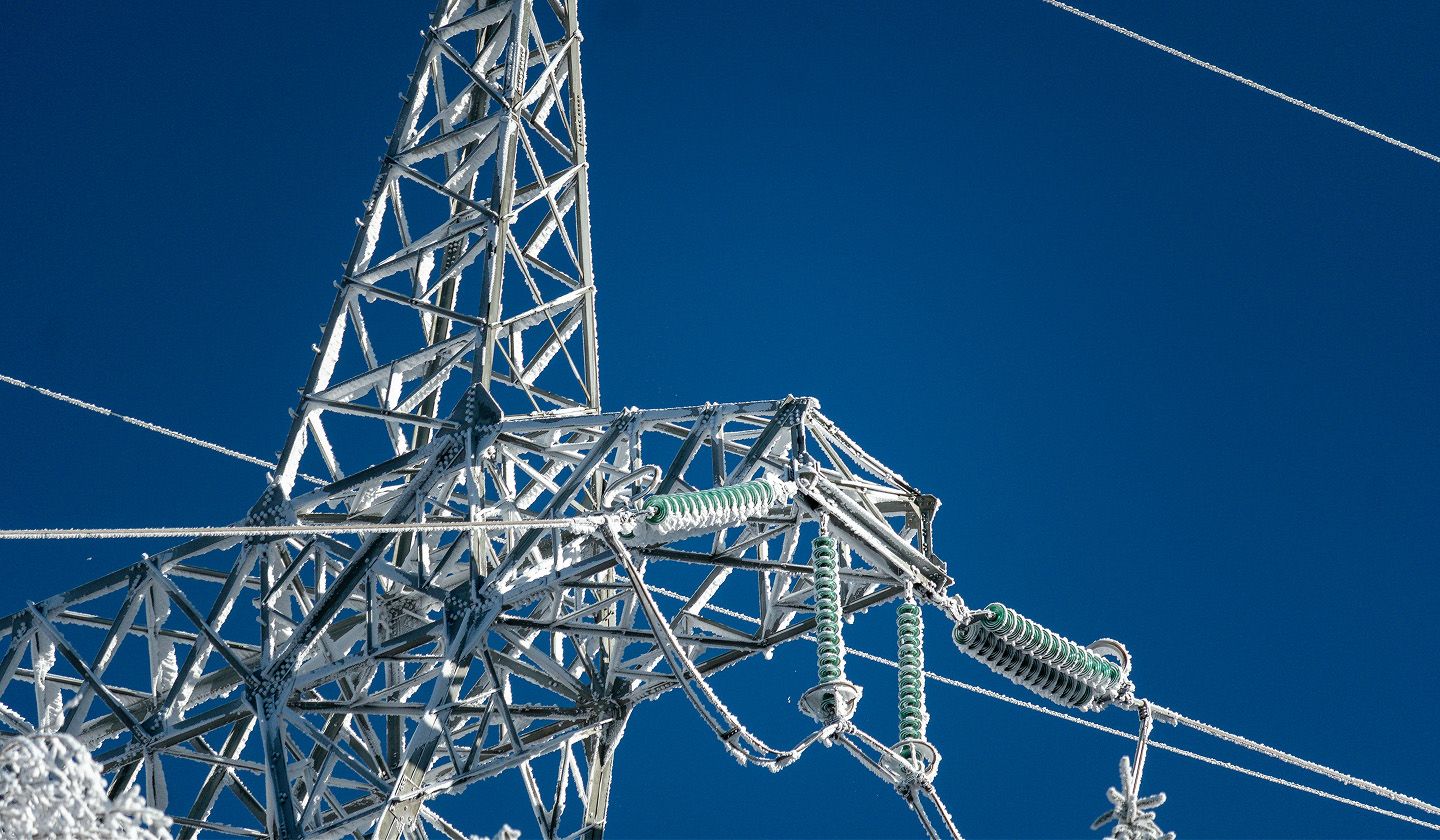
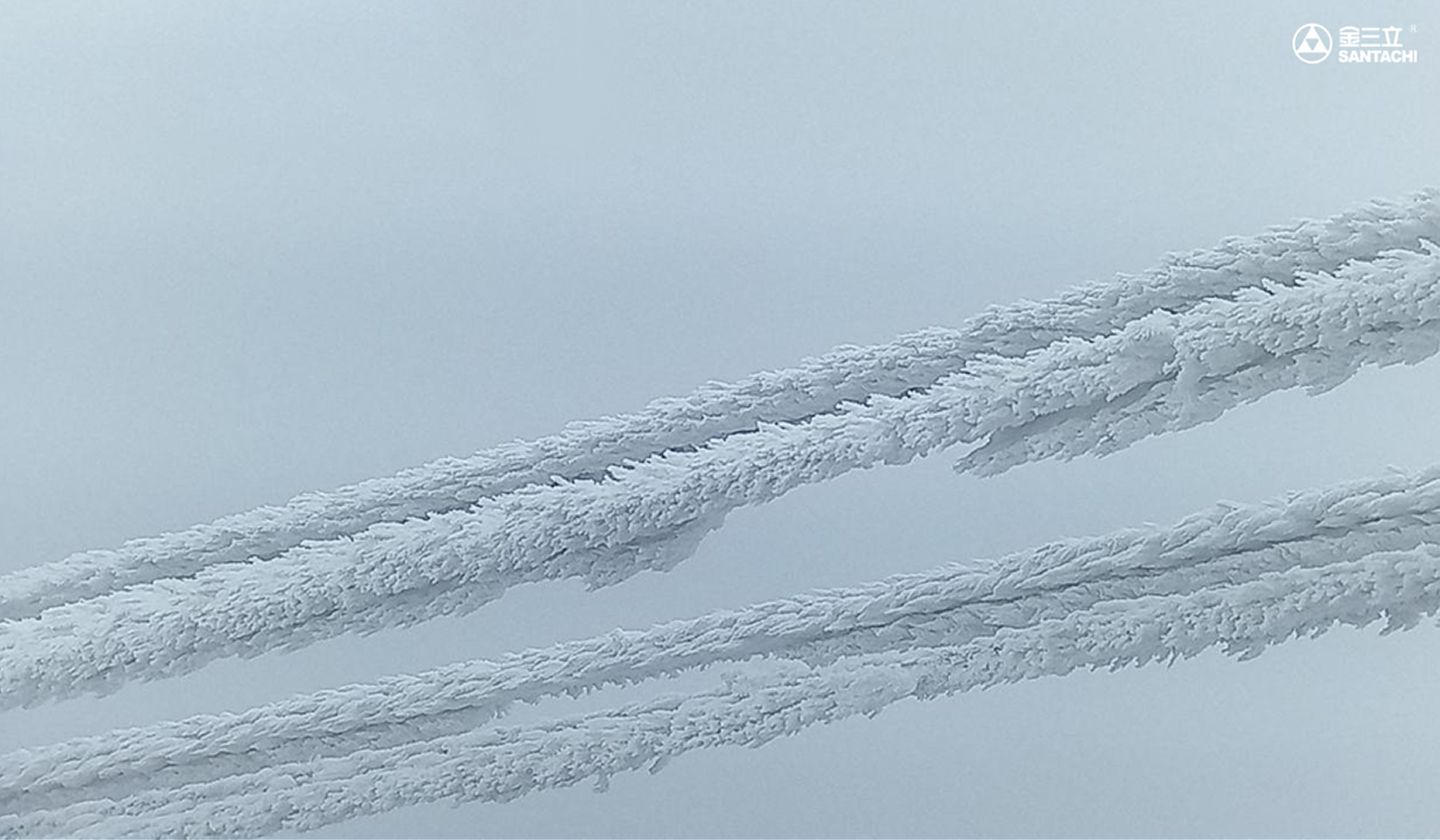
Icing Can Cause Severe Line Failures
Severe icing increases loads on conductors and fittings, potentially causing galloping, flashovers, line breakage, equipment damage, or tower collapse.
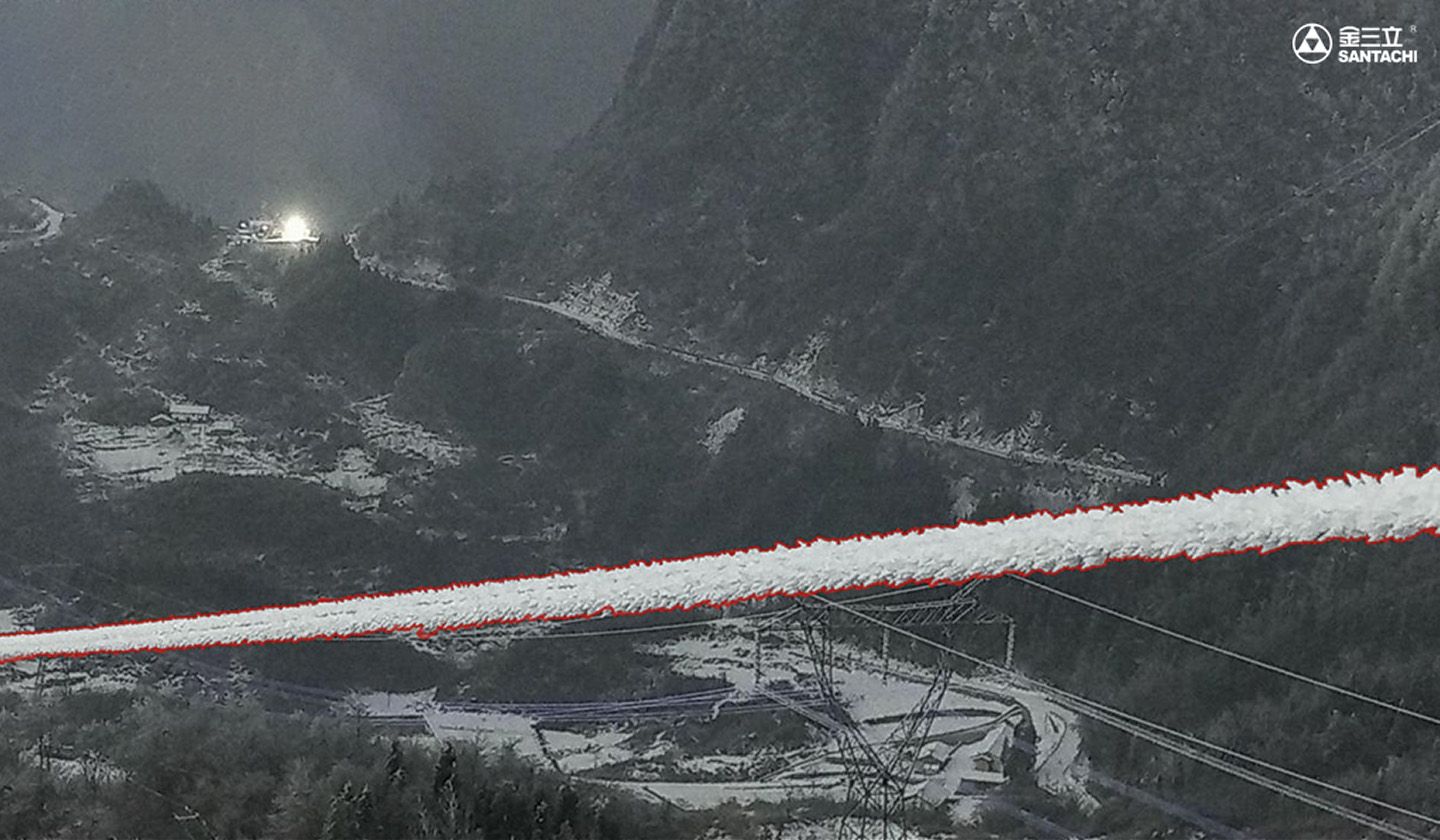
Field Inspection Is Difficult in Severe Weather
Once smoke spreads, it is difficuIcing often occurs in remote, cold mountainous areas where snow, fog, and low temperatures limit inspection efficiency, safety, and measurement accuracy.lt to accurately determine the ignition point, fire direction, or affected area, while limited continuous evidence makes investigation and liability determination difficult.

AI image analysis and all-weather visual sensing enable remote icing detection, thickness measurement, and trend-based warning.

AI Icing Detection & Thickness Measurement
Automatically locate conductors, identify icing, measure thickness, and track changes over time.

All-weather Imaging & Automatic De-icing
Support ultra-low-light color imaging, near-infrared fog penetration, and automatic illumination, while heated glass and an intelligent wiper remove ice, snow, and contamination.

Icing Trends & Remote Alerts
Analyze icing thickness, temperature, humidity, and site images to trigger graded alerts and remotely transmit monitoring data.
Upgrade manual icing inspection to continuous remote monitoring, enabling earlier risk assessment and reducing overload, galloping, flashover, line-breakage, and severe-weather inspection risks.
Earlier Icing Risk Detection
More Accurate Icing Assessment
Fewer Severe-weather Inspections
Contact us for more details