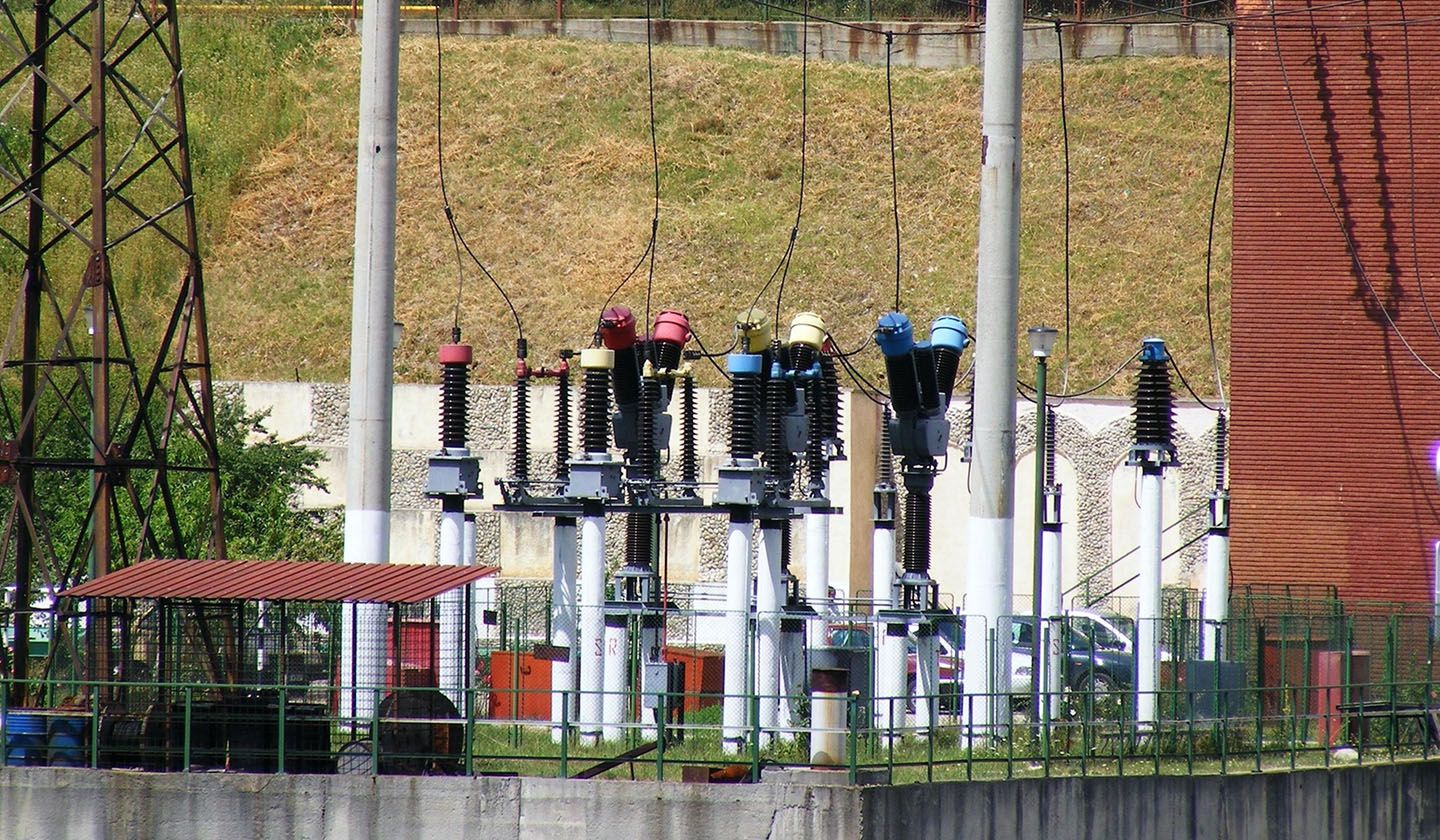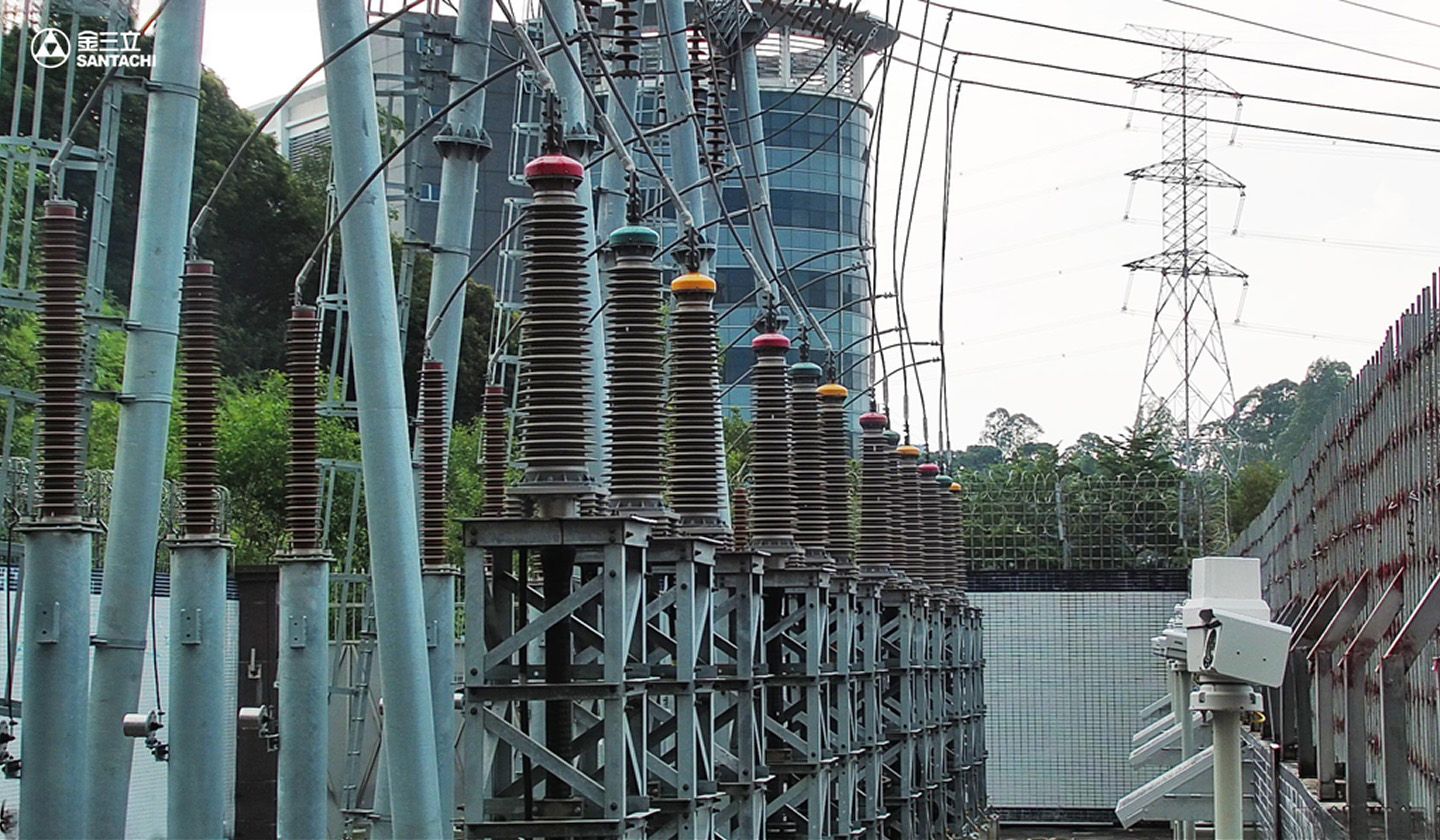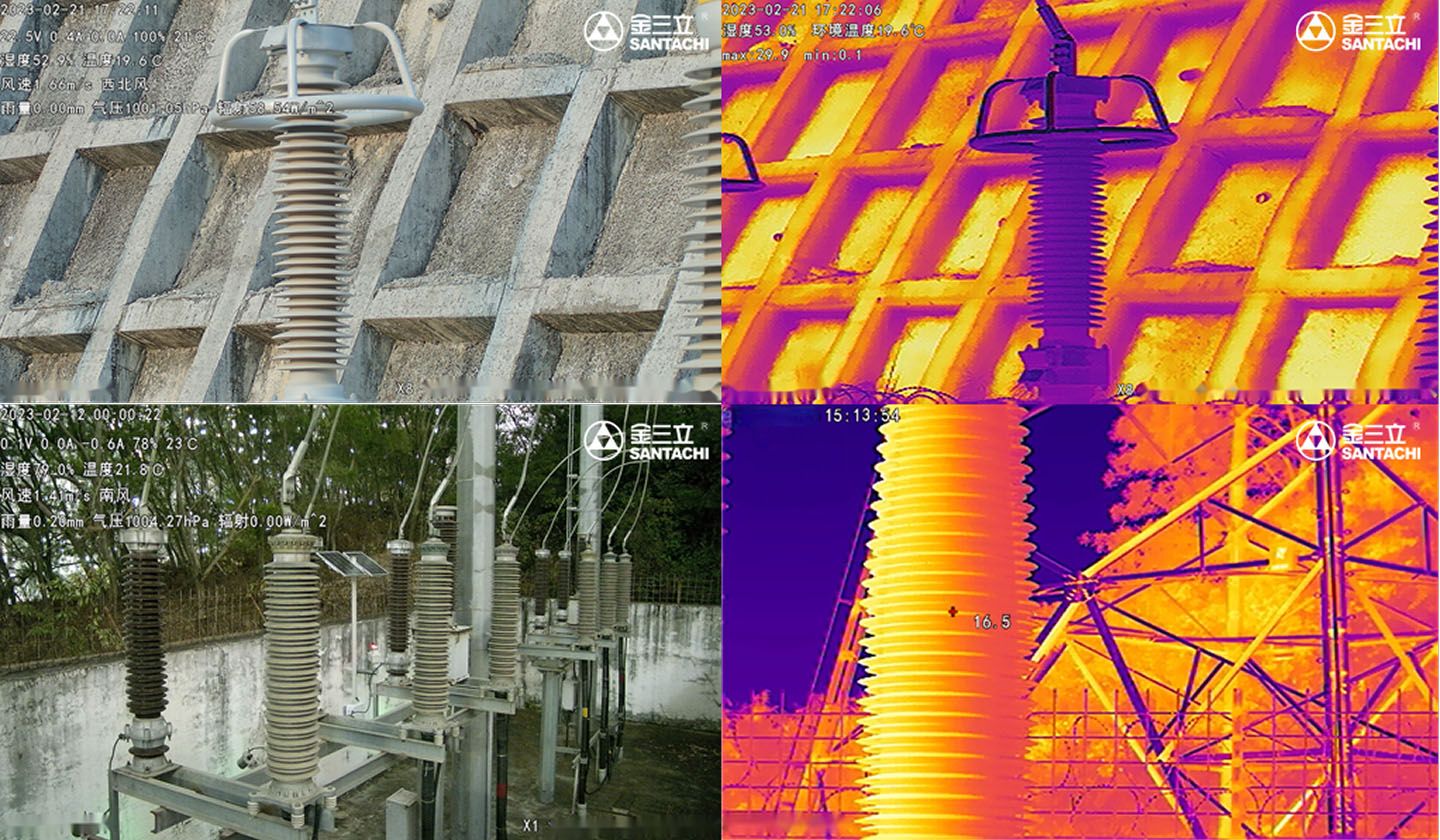
Dual-Spectrum Monitoring for Transmission Terminal Yard
Thermal Anomalies at Critical Connections Have High Impact
Cable terminations and connections operate under high voltage and load, where poor contact or insulation degradation may cause overheating and cable faults.
Manual Inspection May Miss Short-term Anomalies
Cable terminal sites are dispersed, and periodic manual inspection may miss temporary temperature rises, damage, foreign objects, or environmental abnormalities.

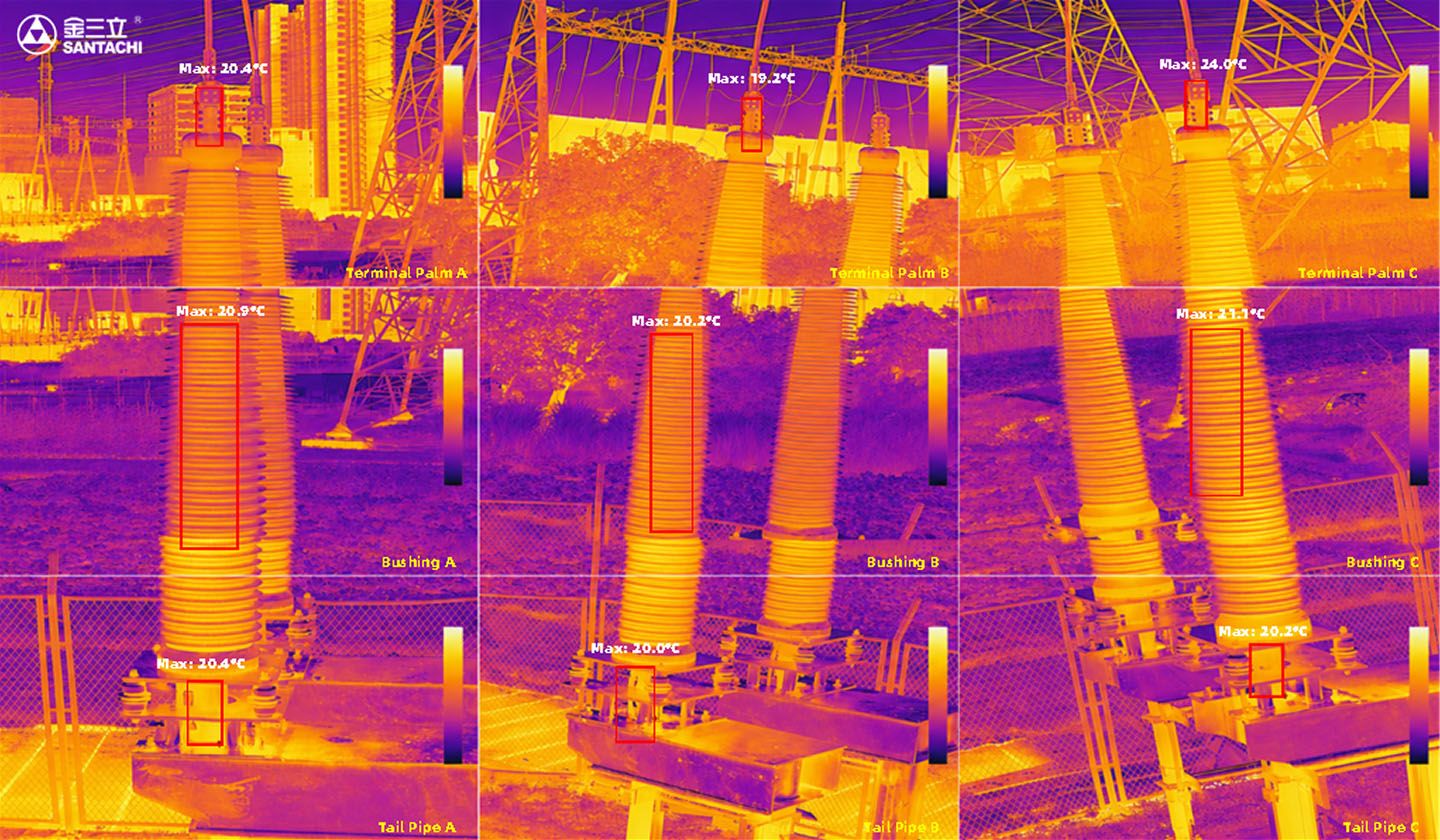
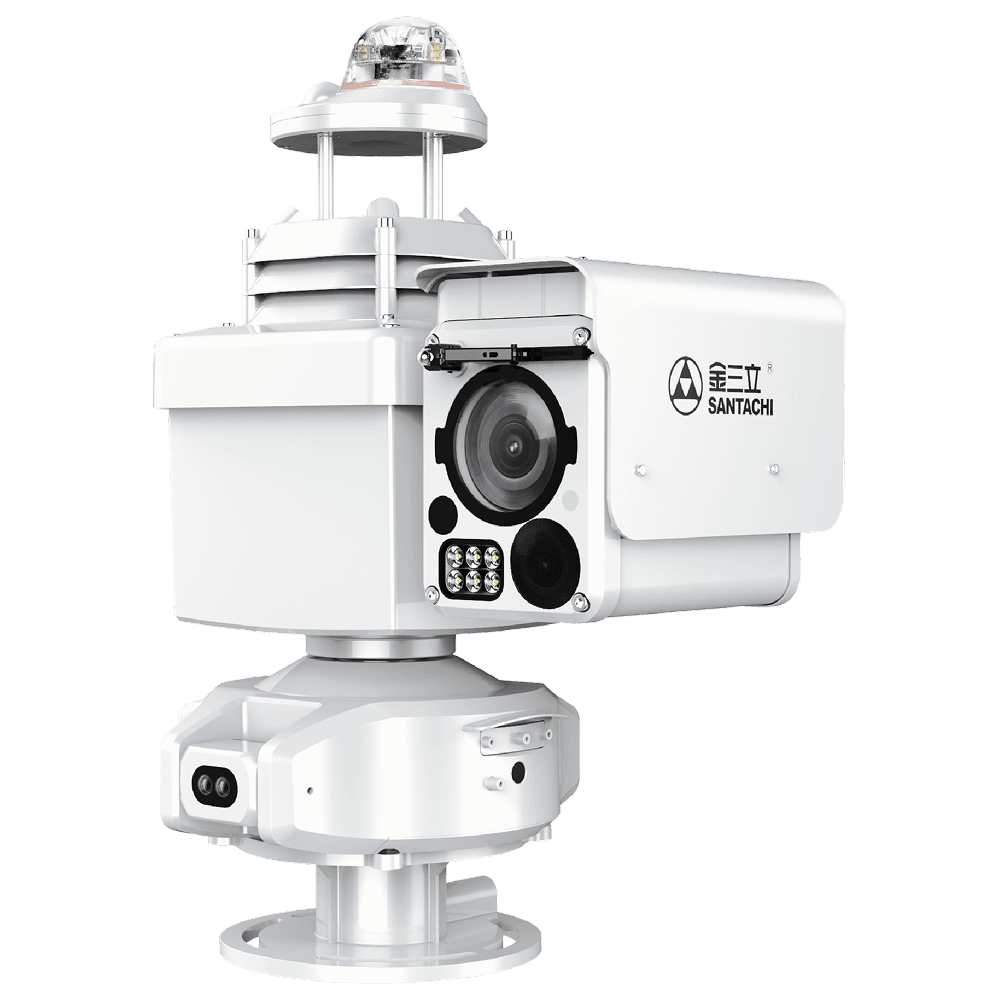
Combine visible and thermal imaging for continuous cable terminal condition monitoring and thermal risk warning.

Combine visible and thermal imaging for continuous cable terminal condition monitoring and thermal risk warning.
Continuously monitor temperatures of critical equipment such as cable terminations, connectors, surge arresters, and grounding connections, supporting global, spot, and region-based thermography, while dynamically correcting results based on ambient temperature, humidity, and other meteorological parameters to improve accuracy.

Visual Equipment Condition Inspection
Utilize AI models tailored to power equipment operating characteristics to precisely identify damaged cable terminations, loose components, foreign objects, and visual anomalies, enhancing detection accuracy and robustness in complex environments.
Upgrade periodic patrols to intelligent remote dual-spectrum monitoring, enabling earlier detection of visual and thermal anomalies, improving fault location and risk verification, and reducing insulation failures, cable outages, and high-voltage field inspection risks.
Earlier Terminal Anomaly Detection
Lower Cable Fault & Outage Risks
Contact us for more details

Temperature Trends & Threshold Alerts
Record temperature trends and trigger threshold-based alerts to support degradation assessment.
Reduced High-voltage Field Inspections